Give us a Call
480-272-7140
Send us a Message
info@tstaz.com
Shockwave therapy

Is Shockwave Therapy an Effective Treatment?

Shockwave therapy has become a popular option for people dealing with stubborn tendon, heel, and soft-tissue pain. But the big question is simple: does it actually work?

The answer is: it can be effective for certain conditions, especially chronic tendon-related pain, but it is not a magic cure or the right fit for everyone. The best results usually happen when shockwave therapy is used as part of a broader rehab plan that includes movement, strengthening, mobility work, and activity modification.

What Is Shockwave Therapy?

Shockwave therapy, also called extracorporeal shockwave therapy or ESWT, is a non-invasive treatment that uses acoustic pressure waves directed into painful or injured tissue. It is commonly used for conditions such as plantar fasciitis, Achilles tendinopathy, tennis elbow, patellar tendinopathy, and other chronic musculoskeletal problems.

The goal is not to “break up” tissue, as some people assume. Instead, shockwave therapy is thought to help stimulate a healing response, improve local blood flow, reduce pain sensitivity, and support tissue remodeling over time. NICE describes ESWT as a procedure that passes shockwaves through the skin to the affected area, with the aim of stimulating healing.

What Conditions Is It Most Often Used For?

Shockwave therapy is most commonly used for chronic conditions that have not improved with basic conservative care. These may include:

Plantar fasciitis: Heel pain caused by irritation or degeneration of the plantar fascia.

Achilles tendinopathy: Pain and stiffness in the Achilles tendon, often worse with running, jumping, or first steps in the morning.

Tennis elbow: Pain on the outside of the elbow related to tendon overload.

Patellar tendinopathy: Pain around the front of the knee, often seen in jumping or running athletes.

Rotator cuff or shoulder tendinopathy: Tendon-related shoulder pain, sometimes involving calcific deposits.

Research is strongest for some conditions and more mixed for others. Recent reviews suggest ESWT may improve pain and function across several tendinopathies, but studies vary in treatment protocols, energy levels, number of sessions, and patient selection.

So, Is It Effective?

For many patients, yes—shockwave therapy can be helpful, especially when pain has been present for months and standard treatments have not fully worked.

For plantar fasciitis, the evidence is generally supportive, although not perfectly consistent. A 2024 review of randomized controlled trials found ESWT has been studied as a treatment option for plantar fasciitis and included 14 studies with 867 participants. NICE states that ESWT for refractory plantar fasciitis raises no major safety concerns, but also notes that evidence on effectiveness has been inconsistent.

For Achilles tendinopathy, the evidence is more cautious. NICE reports no major safety concerns, but says the evidence for effectiveness is inconsistent and limited in quality and quantity.

For tennis elbow, the picture is also mixed. NICE states that ESWT for refractory tennis elbow raises no major safety concerns, but current evidence on efficacy is inconsistent.

In other words, shockwave therapy is not equally proven for every diagnosis. It appears most promising for chronic tendon and fascia problems, but outcomes depend on the condition, severity, treatment settings, clinician skill, and whether the patient follows an appropriate rehab program.

Why Shockwave Therapy May Work Better With Physical Therapy

Shockwave therapy may help calm pain and stimulate tissue healing, but it does not automatically fix the underlying movement, strength, or load-management issues that often contribute to chronic pain.

That is why it is often most effective when paired with physical therapy. A complete plan may include:

  • Progressive strengthening
  • Mobility and flexibility work
  • Gait or movement assessment
  • Balance and stability training
  • Gradual return-to-activity planning
  • Footwear, bracing, or orthotic guidance when appropriate

Think of shockwave therapy as a tool that may help restart or support the healing process. Physical therapy helps guide that healing in the right direction.

What Does Treatment Feel Like?

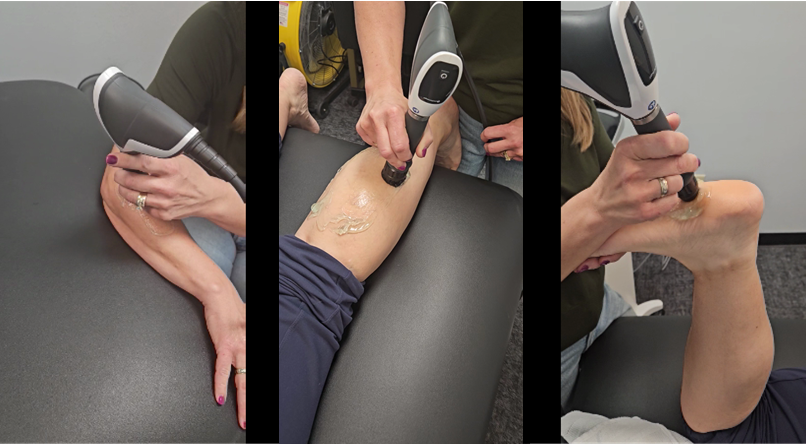
During treatment, a clinician applies a handheld device to the affected area. Patients often feel tapping, pulsing, or sharp pressure. The treatment may be uncomfortable, especially over sensitive tissue, but sessions are usually brief.

Some soreness afterward is common. Temporary redness, bruising, mild swelling, or pain at the treatment site can occur. Serious adverse events appear uncommon when ESWT is performed appropriately. A review noted that known side effects include pain during treatment and minor hematomas, with no severe complications expected when performed as recommended. Mayo Clinic also lists possible side effects such as skin redness, mild bruising, and pain at the application site.

Who Should Avoid Shockwave Therapy?

Shockwave therapy is not appropriate for every patient. It may not be recommended over areas involving pregnancy, certain tumors, severe infection, severe clotting problems, or specific sensitive tissues depending on the type and intensity of treatment. Mayo Clinic notes contraindications including a fetus or malignant tumor in the treatment area for low-energy radial and focused waves, and additional concerns for high-energy focused waves such as severe coagulopathy or treatment over lung tissue, brain, spine, epiphyseal plates, or malignant tumors.

Patients should always be screened by a qualified healthcare provider before beginning care, especially if they are pregnant, taking blood thinners, have a bleeding disorder, have cancer, have an active infection, or have significant nerve or vascular issues.

How Long Does It Take to See Results?

Shockwave therapy usually does not create instant healing. Some people feel improvement after one or two visits, while others notice progress gradually over several weeks. Chronic tendon and fascia problems often require time because the goal is tissue remodeling, not just temporary pain relief.

Many treatment plans involve a short series of sessions, often spaced about a week apart, though exact protocols vary widely. This variability is one reason research can be hard to compare across studies. A 2025 international expert consensus paper noted that ESWT may be an effective adjunctive treatment option in musculoskeletal injuries, but research is limited by major differences in treatment protocols.

Shockwave therapy can be an effective treatment for certain chronic musculoskeletal conditions, particularly tendon and fascia-related pain that has not responded to standard care. It is non-invasive, generally well tolerated, and may help reduce pain and improve function.

However, it is not a stand-alone cure. The best results typically come when shockwave therapy is combined with a personalized rehabilitation plan that addresses strength, mobility, movement patterns, and activity load.

For patients with stubborn heel pain, Achilles pain, elbow pain, or tendon-related injuries, shockwave therapy may be worth discussing with a physical therapist or qualified healthcare provider. The key is choosing the right patient, the right condition, and the right overall treatment plan. Our Total Sports Therapy Cave Creek location offers Shockwave Therapy. Visit our Shockwave Therapy Services page to learn more.

How AI Might Change Physical Therapy

How AI Might Change Physical Therapy

Artificial intelligence (AI) is rapidly transforming healthcare and physical therapy is no exception. While hands-on care and human connection will always remain at the heart of PT, AI has the potential to enhance how therapists evaluate movement, personalize treatment, track progress, and improve patient outcomes.

Rather than replacing physical therapists, AI is best viewed as a powerful tool that can support smarter, more efficient, and more individualized care.


1. Smarter Movement Analysis

AI-powered motion analysis systems can evaluate how a patient moves in real time. Using cameras, sensors, or wearables, AI can detect subtle movement faults that may be difficult to see with the naked eye.

How this helps:

  • More precise assessments

  • Earlier detection of compensations

  • Objective data to guide treatment decisions

This technology may be especially useful for sports rehab, post-surgical recovery, and injury prevention.


2. More Personalized Treatment Plans

AI can analyze large amounts of patient data such as pain levels, range of motion, strength, and progress over time to help tailor exercise programs more precisely.

Instead of a one-size-fits-all approach, AI-supported programs can:

  • Adjust exercise difficulty automatically

  • Recommend progressions or regressions

  • Identify what’s working fastest for each patient

This leads to more efficient and targeted rehab.


3. Improved Home Exercise Compliance

One of the biggest challenges in physical therapy is getting patients to perform their home exercise program correctly and consistently.

AI-powered apps and platforms can:

  • Provide real-time feedback on exercise form

  • Track repetitions and effort

  • Send reminders and encouragement

  • Alert therapists if a patient is struggling

Better compliance often leads to faster and longer-lasting results.


4. Enhanced Telehealth & Remote Monitoring

AI can significantly improve virtual physical therapy by helping therapists monitor patients outside the clinic.

With wearable sensors and smart software, therapists may be able to:

  • Track movement quality remotely

  • Monitor pain and activity levels

  • Adjust programs between visits

  • Catch setbacks early

This makes high-quality PT more accessible, especially for patients with mobility, transportation, or scheduling challenges.


5. Injury Prevention & Risk Prediction

By analyzing movement patterns and training loads over time, AI may help predict injury risk before pain begins.

For active individuals, athletes, and aging adults, this could mean:

  • Preventing overuse injuries

  • Identifying mobility or strength deficits early

  • Keeping people active longer

Prevention-focused care is one of the most exciting future applications of AI in PT.


6. Better Documentation & Efficiency

AI can help reduce administrative burden by assisting with:

  • Automated documentation

  • Progress note generation

  • Outcome tracking

This allows physical therapists to spend less time on paperwork and more time with patients—where they’re most needed.


Will AI Replace Physical Therapists?

Short answer: No.

Physical therapy relies heavily on:

  • Clinical judgment

  • Hands-on skills

  • Human connection

  • Motivation and coaching

AI can enhance decision-making and efficiency, but it cannot replace the therapist-patient relationship or the value of individualized, compassionate care.


What This Means for Patients

As AI continues to evolve, patients may experience:

  • More accurate assessments

  • Faster progress

  • Better exercise guidance at home

  • Improved long-term outcomes

The future of physical therapy blends advanced technology with expert human care creating the best of both worlds. When used thoughtfully, AI can help therapists deliver more personalized, data-driven, and effective care while preserving what matters most: helping people move better, feel better, and live healthier lives. If you’re curious about how modern physical therapy continues to evolve, our team is always here to answer questions and guide you through the best care options available today. Total Sports Therapy will always be ready to implement new AI treatment strategies when they have been vetted for efficacy.

pediatric therapy

What Is Pediatric Therapy? – An Overview for Parents

As parents, we all want to see our children grow, learn, and thrive. Sometimes, kids may need a little extra support to reach important developmental milestones. That’s where pediatric therapy comes in.

What Is Pediatric Therapy?

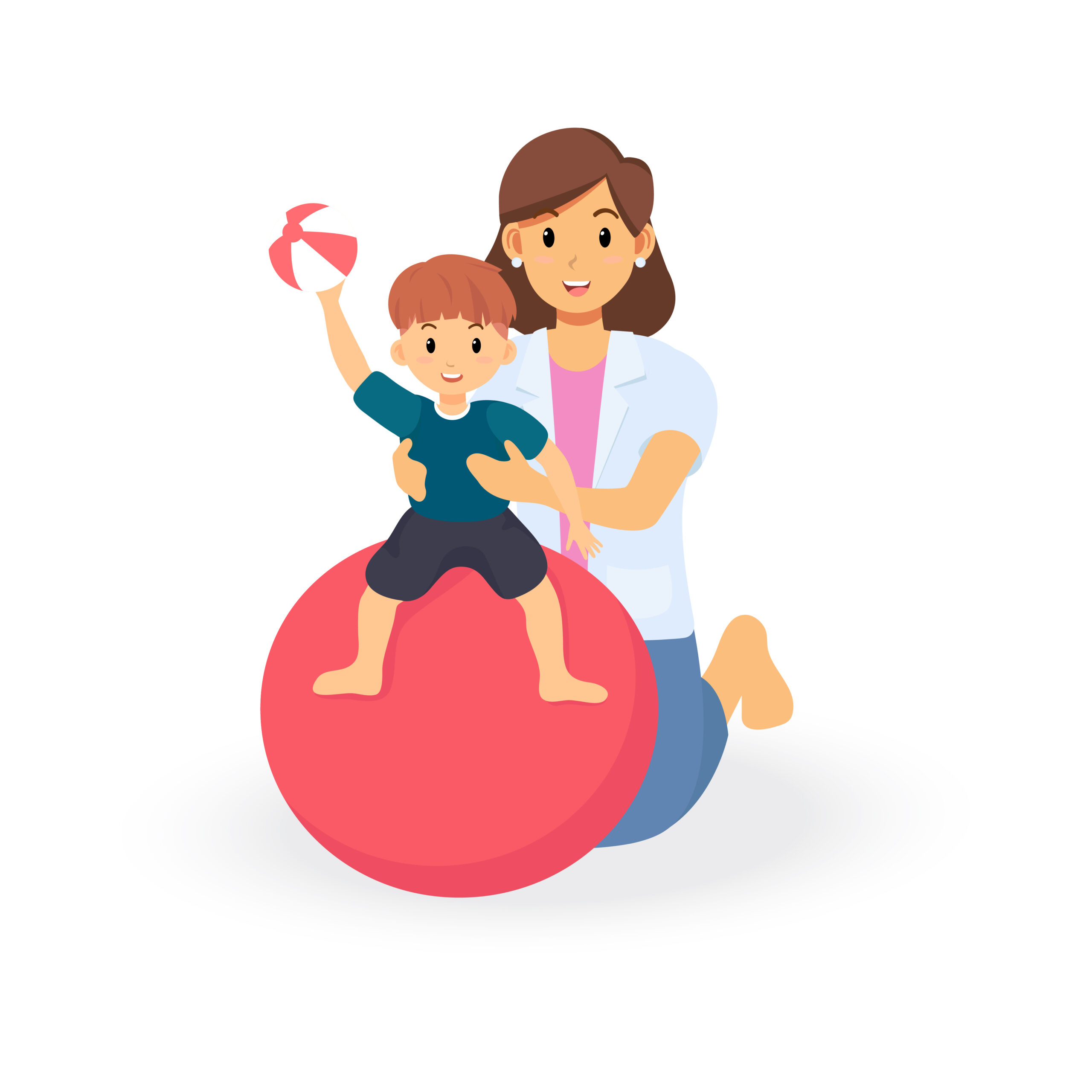
Pediatric therapy is a specialized form of healthcare designed to help children develop the skills they need for everyday life. It supports kids from infancy through adolescence who may face challenges due to developmental delays, medical conditions, injuries, or disabilities.

Therapy is always personalized—meeting each child at their level while focusing on play, fun, and building confidence.

Types of Pediatric Therapy

There are several branches of pediatric therapy, and many children benefit from a team approach:

  • Pediatric Physical Therapy (PT): Helps with strength, balance, coordination, walking, posture, and gross motor skills. PT is especially helpful for conditions like cerebral palsy, developmental delay, or recovery after injury.

  • Pediatric Occupational Therapy (OT): Focuses on fine motor skills, hand-eye coordination, self-care tasks (like dressing or eating), and sensory processing challenges. OT helps kids become more independent in their daily lives.

  • Pediatric Speech Therapy (SLP): Supports communication, language development, feeding, and swallowing. SLPs work with children who have difficulty speaking, understanding, or expressing themselves.

Why Pediatric Therapy Matters

Early intervention can make a big difference in a child’s development. Pediatric therapy helps children:

  • Gain independence in daily activities

  • Build confidence and self-esteem

  • Improve school readiness and participation

  • Enhance social and communication skills

  • Prevent long-term complications by addressing delays early

How Parents Can Support the Process

Therapy works best when parents and caregivers are actively involved. Here are a few ways you can help your child succeed:

  • Practice therapy activities at home.

  • Celebrate small achievements along the way.

  • Stay in touch with your child’s therapy team to track progress.

  • Be patient—progress may take time, but every step forward is meaningful.


Bottom line: Pediatric therapy is about more than exercises and treatments—it’s about empowering children to thrive in their own unique way. With the right support, every child has the potential to reach their fullest abilities.

Total Sports Therapy is now offering pediatric therapy at our Moon Valley location.

plantar fasciitis

What Causes Plantar Fasciitis And How To Treat It

If you’ve ever felt a sharp pain in your heel when you take your first steps in the morning, you might be experiencing plantar fasciitis. This common condition affects millions of people each year and can significantly impact daily activities. Understanding the causes and treatment options is essential to finding relief and preventing recurrence.

What Is Plantar Fasciitis?

Plantar fasciitis is the inflammation of the plantar fascia, a thick band of tissue that runs along the bottom of your foot, connecting your heel bone to your toes. It supports the arch of the foot and absorbs shock when you walk. When this tissue is overstressed or strained, it can become inflamed, leading to heel pain.


Common Causes of Plantar Fasciitis

Several factors can contribute to the development of plantar fasciitis, including:

1. Overuse or Repetitive Strain

High-impact activities like running, jumping, or standing for long periods can stress the plantar fascia, leading to tiny tears and inflammation.

2. Foot Mechanics

Flat feet, high arches, or an abnormal walking pattern can alter weight distribution and put extra strain on the plantar fascia.

3. Improper Footwear

Wearing unsupportive shoes, especially those with thin soles, poor arch support, or lack of cushioning, can increase your risk.

4. Age

Plantar fasciitis is most common in people between the ages of 40 and 60 due to natural changes in foot structure and reduced tissue elasticity.

5. Weight Gain

Excess weight increases the pressure on your plantar fascia, particularly during weight-bearing activities.


Symptoms of Plantar Fasciitis

  • Sharp pain in the heel (especially with the first steps after waking)

  • Pain after prolonged standing or activity

  • Stiffness or tenderness in the arch of the foot

  • Pain that improves with movement but returns after rest


Effective Treatments for Plantar Fasciitis

The good news is that most cases of plantar fasciitis can be managed with conservative treatments. Here are some of the most effective options:

1. Rest and Activity Modification

Reducing or modifying activities that aggravate your foot can help the tissue heal. Avoid running, jumping, or standing for extended periods.

2. Ice Therapy

Applying ice to the heel for 15-20 minutes several times a day can reduce inflammation and relieve pain.

3. Stretching and Strengthening Exercises

Stretching the calf muscles and plantar fascia helps relieve tension. Strengthening foot muscles can also provide better arch support.

4. Supportive Footwear and Orthotics

Wear shoes with good arch support and cushioning. Custom orthotic inserts can redistribute pressure and support proper foot mechanics.

5. Physical Therapy

A physical therapist can develop a tailored exercise and treatment plan, including techniques like massage, taping, and ultrasound therapy.

6. Anti-Inflammatory Medications

Over-the-counter NSAIDs like ibuprofen can reduce pain and inflammation during flare-ups.

7. Night Splints

Wearing a night splint keeps the plantar fascia stretched overnight, preventing morning pain.

8. Medical Interventions

In chronic or severe cases, options like corticosteroid injections, shockwave therapy, or even surgery may be considered, although these are usually last resorts.


Preventing Plantar Fasciitis

To minimize the risk of plantar fasciitis:

  • Maintain a healthy weight

  • Wear supportive shoes, especially during exercise

  • Stretch regularly, particularly before and after physical activity

  • Avoid walking barefoot on hard surfaces


Final Thoughts

Plantar fasciitis can be frustrating and painful, but with early intervention and the right treatment approach, most people recover fully without surgery. If you're experiencing persistent heel pain, don't ignore it—addressing the issue early can get you back on your feet faster and with less discomfort.

ehlers-danlos syndrome

How Can Physical Therapy Treat Ehlers-Danlos Syndrome?

Ehlers-Danlos Syndrome (EDS) is a group of connective tissue disorders that affect the body’s collagen, often leading to joint hypermobility, unstable joints, frequent sprains, chronic pain, and muscle weakness. While there is currently no cure for EDS, physical therapy plays a key role in helping people manage symptoms, improve strength, and protect their joints for long-term function.

Why Physical Therapy Helps with EDS

People with EDS often experience joint instability because the connective tissue that supports their ligaments is looser than normal. This makes everyday movements more challenging and increases the risk of injuries. Physical therapy focuses on building stability, improving posture, and teaching safe movement strategies that reduce strain on joints.

Physical Therapy Goals for EDS

  1. Strengthening Muscles for Joint Support
    Since ligaments are not as effective at stabilizing joints in EDS, strengthening the muscles around those joints is essential. Targeted exercises for the hips, shoulders, knees, and core can reduce dislocations and improve overall stability.

  2. Improving Posture & Movement Mechanics
    Poor posture and improper movement patterns put extra stress on already vulnerable joints. A physical therapist can correct biomechanics to reduce strain and help patients move more safely in daily activities.

  3. Pain Management
    Chronic pain is common in EDS. Physical therapy may include gentle strengthening, manual therapy, or modalities like heat, cold, or electrical stimulation to ease discomfort while building function.

  4. Low-Impact Endurance Training
    Activities like swimming, stationary cycling, or walking programs may be recommended. These forms of exercise are easier on the joints while still improving cardiovascular health and endurance.

  5. Joint Protection Education
    A critical part of therapy is teaching patients how to avoid overstretching, limit repetitive stress, and use supportive devices (braces, kinesiology tape, or orthotics) when necessary.

  6. Balance and Proprioception Training
    Because joint position sense may be impaired in EDS, exercises to improve balance and coordination are especially helpful in preventing falls and injuries.

A Gentle, Consistent Approach

One of the most important things to remember with EDS is that progress takes time. Overexertion can lead to flares of pain or injury, so a gradual, carefully monitored program designed by a physical therapist is essential. With patience and consistency, physical therapy helps individuals with EDS improve strength, reduce injury risk, and live more comfortably.


Bottom line: While Ehlers-Danlos Syndrome cannot be cured, physical therapy is a cornerstone of care. By strengthening muscles, teaching safe movement, and managing pain, PT helps people with EDS gain more stability, function, and confidence in their daily lives. Total Sports Therapy has physical therapists that treat Ehlers-Danlos Syndrome. Contact our office at 480-272-7140 to schedule your appointment.

hip osteoarthritis

What Is Hip Osteoarthritis? A Guide to Understanding and Managing This Common Condition

If you've been experiencing stiffness, pain, or limited movement in your hip, you may be dealing with hip osteoarthritis—a common joint condition that affects millions of people, especially as they age. But what exactly is hip osteoarthritis, and how can physical therapy help manage it?

We’ll break down the causes, symptoms, and treatment options for hip OA—and explain how physical therapy can help you stay active and independent.


What Is Hip Osteoarthritis?

Osteoarthritis (OA) is a degenerative joint disease that occurs when the protective cartilage that cushions the ends of your bones gradually wears down over time. In the hip joint, this can lead to:

  • Pain

  • Stiffness

  • Swelling

  • Reduced range of motion

As the cartilage deteriorates, bones may rub against each other, causing inflammation, joint damage, and discomfort during movement.


Causes and Risk Factors

Hip OA usually develops gradually and is more common in people over the age of 50, but younger adults can also develop it, especially after an injury or due to structural abnormalities.

Common causes and risk factors include:

  • Aging and natural wear and tear

  • Previous hip injuries

  • Genetics or family history of OA

  • Obesity (extra weight puts more stress on joints)

  • Repetitive movements or physical labor

  • Poor hip alignment or hip dysplasia


Common Symptoms of Hip Osteoarthritis

  • Aching or sharp pain in the hip, groin, thigh, or buttock

  • Stiffness, especially after sitting or sleeping

  • Difficulty walking, standing, or climbing stairs

  • Clicking, popping, or grinding in the joint

  • Limited range of motion

  • Pain that worsens with activity and improves with rest

Symptoms may start mild and progress over time. Many people find they begin adjusting their lifestyle without realizing how much mobility they’ve lost.

How Is Hip Osteoarthritis Diagnosed?

A healthcare provider will review your symptoms and perform a physical exam, checking your range of motion, gait, and joint tenderness. Imaging tests like X-rays may be used to confirm cartilage loss or changes in the joint space.


How Physical Therapy Helps Hip OA

There’s no cure for osteoarthritis, but physical therapy is one of the most effective, non-surgical ways to manage symptoms and slow progression. A physical therapist can help you:

Reduce Pain

Hands-on techniques and gentle exercises help relieve joint stress and calm inflammation.

Improve Range of Motion

Targeted stretches and mobilizations restore movement to the hip, making daily tasks easier.

Strengthen Supporting Muscles

Stronger muscles—especially around the hips, glutes, and core—can take pressure off the joint and improve stability.

Improve Balance and Gait

PT can correct movement patterns and reduce limping or imbalance, making walking more efficient and less painful.

Delay or Prevent Surgery

Consistent physical therapy can preserve joint function and help many people avoid or delay the need for a hip replacement.


What to Expect in a PT Program for Hip OA

Your physical therapy plan will be tailored to your needs and may include:

  • Range-of-motion exercises

  • Strength training (bodyweight, resistance bands)

  • Postural training

  • Manual therapy

  • Low-impact aerobic exercise (walking, cycling, aquatic therapy)

  • Education on joint protection and home modifications


Final Thoughts

Hip osteoarthritis can be a frustrating and limiting condition—but it doesn’t have to define your life. With the right guidance and a consistent approach, physical therapy can help you manage pain, improve mobility, and stay active for years to come.

If you or someone you love is dealing with hip pain or stiffness, contact our office at 480-272-7140. Early intervention makes all the difference.


Let’s keep you moving—stronger, longer, and pain-free.

achilles injury

How to Avoid an Achilles Injury: Tips for Staying Strong and Pain-Free

The Achilles tendon is the largest and one of the most important tendons in the body. It connects your calf muscles to your heel bone and plays a crucial role in walking, running, jumping, and just about any activity involving your lower body. Because it bears so much strain, the Achilles is vulnerable to overuse, tightness, and even rupture.

Whether you’re an athlete, weekend warrior, or just getting back into exercise, taking steps to protect your Achilles tendon is essential. Here’s how to help prevent Achilles injuries and keep yourself moving pain-free.


1. Warm Up and Stretch Properly

Jumping straight into intense activity without warming up puts your Achilles at risk. Always start with light cardio—like walking or easy jogging—to get blood flowing. Follow up with dynamic stretches such as:

  • Ankle circles

  • High knees

  • Heel raises

  • Calf stretches (straight-leg and bent-knee)

Regular stretching of the calves and hamstrings can improve flexibility and reduce strain on the tendon.


2. Build Strength Gradually

Strengthening the calf muscles helps support the Achilles tendon. Incorporate exercises like:

  • Calf raises

  • Eccentric heel drops

  • Toe walking

But be careful not to increase the intensity or duration of your workouts too quickly. The 10% rule—no more than a 10% increase in volume per week—is a good guideline.


3. Wear Proper Footwear

Shoes that lack proper support or are worn out can contribute to tendon strain. Look for athletic shoes that fit well, provide good heel cushioning, and are appropriate for your activity. If you have flat feet or high arches, consider orthotic inserts to help reduce stress on the tendon.


4. Avoid Overtraining

Overuse is one of the most common causes of Achilles injuries. Make sure your training includes rest days and a mix of activities to avoid repetitive strain. Cross-training with low-impact exercises like swimming or cycling can help keep you active without overloading your Achilles.


5. Listen to Your Body

Pain, tightness, or swelling in the back of your heel or calf can be early warning signs of Achilles tendonitis. Don’t push through discomfort. Rest, ice, and gentle stretching can help address symptoms before they become serious.


6. Work on Mobility and Balance

Improving ankle mobility and lower body balance helps distribute forces more evenly when you move. Incorporate balance drills, foam rolling, and mobility work into your routine to enhance your biomechanics and prevent injury.


When to See a Professional

If you experience persistent Achilles pain, it’s a good idea to consult a physical therapist or healthcare provider. Early intervention can prevent chronic issues and help you recover faster if you're already dealing with tendon irritation.


Final Thoughts
Achilles injuries can sideline even the most active people. But with smart training, proper gear, and attention to your body, you can reduce your risk and keep your Achilles tendon strong and resilient. Prevention is always easier than recovery—so take care of your tendons now to stay active and injury-free later.


Want guidance on how to protect your Achilles or recover from tendon pain? Physical therapy can help! Reach out to us to schedule a consultation and start moving better today.

physical therapy after car accident

Physical Therapy After a Car Accident: What You Need to Know

Car accidents can leave more than just dents in your car—they can leave lasting effects on your body, even from low-speed collisions. Whether it’s whiplash, back pain, joint injuries, or muscle strains, physical therapy plays a critical role in recovery after a car accident.

If you’ve been in an accident recently or are still dealing with pain weeks or months later, here’s what you need to know about how PT can help you heal and get back to your normal life.

Common Injuries After a Car Accident

Even minor crashes can cause serious physical issues. Some of the most common injuries physical therapists treat after a car accident include:

  • Whiplash (neck strain from sudden movement)

  • Back and spinal injuries

  • Soft tissue injuries (bruises, strains, and sprains)

  • Joint injuries (shoulder, knee, hip)

  • Concussions and headaches

  • Decreased mobility or stiffness

  • Nerve pain (e.g., sciatica or tingling)

Many of these injuries don’t always show up immediately. Symptoms may develop days—or even weeks—after the accident, making early intervention crucial.


Why See a Physical Therapist After an Accident?

You may not think you need PT if you walked away from the crash, but even minor misalignments, strains, or soft tissue injuries can worsen without treatment.

Here’s how physical therapy helps:

1. Speeds Up Healing

PT increases blood flow, reduces inflammation, and encourages faster tissue repair—helping you recover quicker and more fully.

2. Reduces Pain Without Relying on Medication

Physical therapists use techniques like manual therapy, stretching, and targeted exercises to reduce pain naturally—without the side effects of long-term medication use.

3. Restores Mobility and Strength

Injuries often cause stiffness or weakness. PT helps restore range of motion, flexibility, and muscle strength so you can return to your daily activities safely.

4. Prevents Long-Term Issues

Ignoring pain or stiffness can lead to chronic problems down the road. Physical therapy helps correct movement patterns and alignment issues early—preventing complications later.

5. Helps You Return to Work and Daily Life

Whether you're lifting boxes or sitting at a desk, PT helps you return to work, hobbies, and normal life with less pain and better function.


What to Expect in Physical Therapy After a Car Accident

Your physical therapist will start with a full evaluation to understand your injuries and limitations. From there, they’ll design a personalized treatment plan, which may include:

  • Manual therapy to relieve muscle and joint stiffness

  • Therapeutic exercises to rebuild strength and stability

  • Postural training to reduce strain on injured areas

  • Stretching and mobility work

  • Balance and coordination training

  • Education on proper movement and injury prevention

Progress is gradual, and your plan will evolve as you heal.


When Should You Start PT After an Accident?

The sooner, the better. Even if you’re not feeling much pain right away, early intervention can:

  • Catch hidden issues

  • Prevent stiffness and scar tissue buildup

  • Get you back to normal faster

If it’s been weeks or months since your accident and you’re still feeling “off,” PT can still make a huge difference.


Will Insurance Cover Physical Therapy?

In many cases, auto insurance or personal injury protection (PIP) covers physical therapy after an accident—especially when prescribed by a physician. If you’re unsure about coverage, your PT clinic can often help verify benefits.

A car accident can shake up your life, but it doesn’t have to lead to lasting pain or limited mobility. Physical therapy is a safe, effective, and empowering way to recover fully—both physically and mentally.

If you've been in an accident and aren't feeling 100%, don’t wait. Contact our office at 480-272-7140 to schedule an evaluation and start your path to recovery.